Key Considerations in NK Cell Preparation and Quality Control
NK Cell Preparation and Quality Control
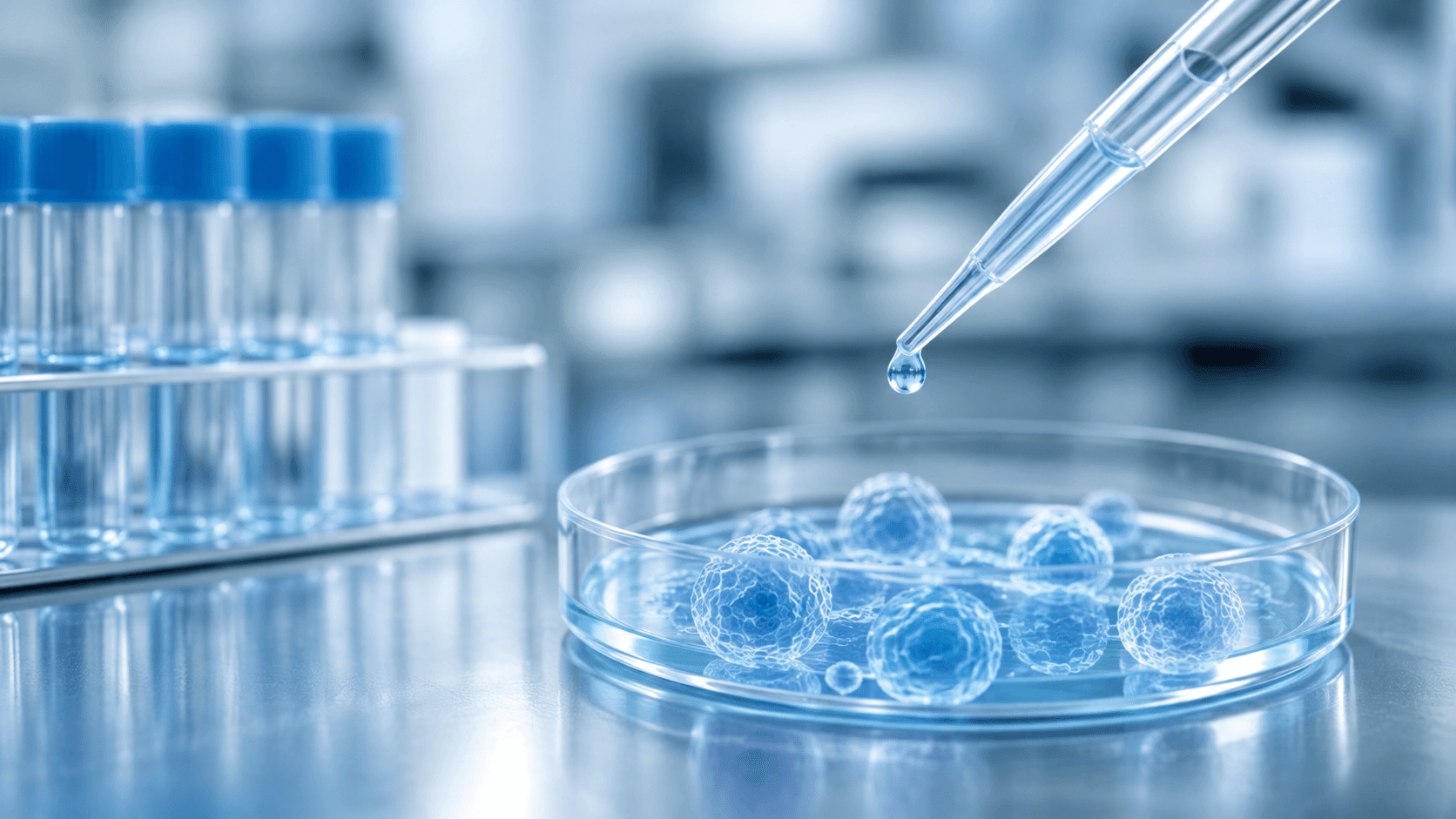
Natural Killer (NK) cells are lymphocytes that function within the innate immune system. The preparation of these cells, which are evaluated in cellular immunotherapy research, may involve processes such as cell sourcing, isolation, processing, activation, and, when necessary, expansion.
Important Quality Control Criteria
Cell identity, phenotype, purity, and viability are among the fundamental quality parameters considered when evaluating NK cell products. Sterility, endotoxin, and microbiological safety tests are also important for assessing product quality and safety.
Traceability and Clinical Assessment
The manufacturing process must be traceable from the starting material through to the final product. In addition, the intended use of the product, the regulatory requirements of the relevant country, safety data from human studies, and clinical efficacy findings should be evaluated together.
10 Questions to Ask About NK Cell Products
- What is the source of the cells?
- Which screening tests have been performed on the starting material?
- How is cell identity confirmed?
- What sterility and microbiological tests are performed?
- How is cell viability measured?
- For what purpose is the product offered?
- Which country's regulations apply to the product?
- What clinical evidence is available in humans?
- What are the potential risks and contraindications?
- What medical assessment is performed before use?
These questions help evaluate NK cell products not merely according to their commercial descriptions, but also on the basis of scientific evidence and quality indicators.
This content is for informational purposes only; it does not provide a diagnosis, recommend treatment, or promise outcomes. Always consult a physician for an individualized assessment.