How Are NK Cells Being Investigated in Cancer Immunotherapy?
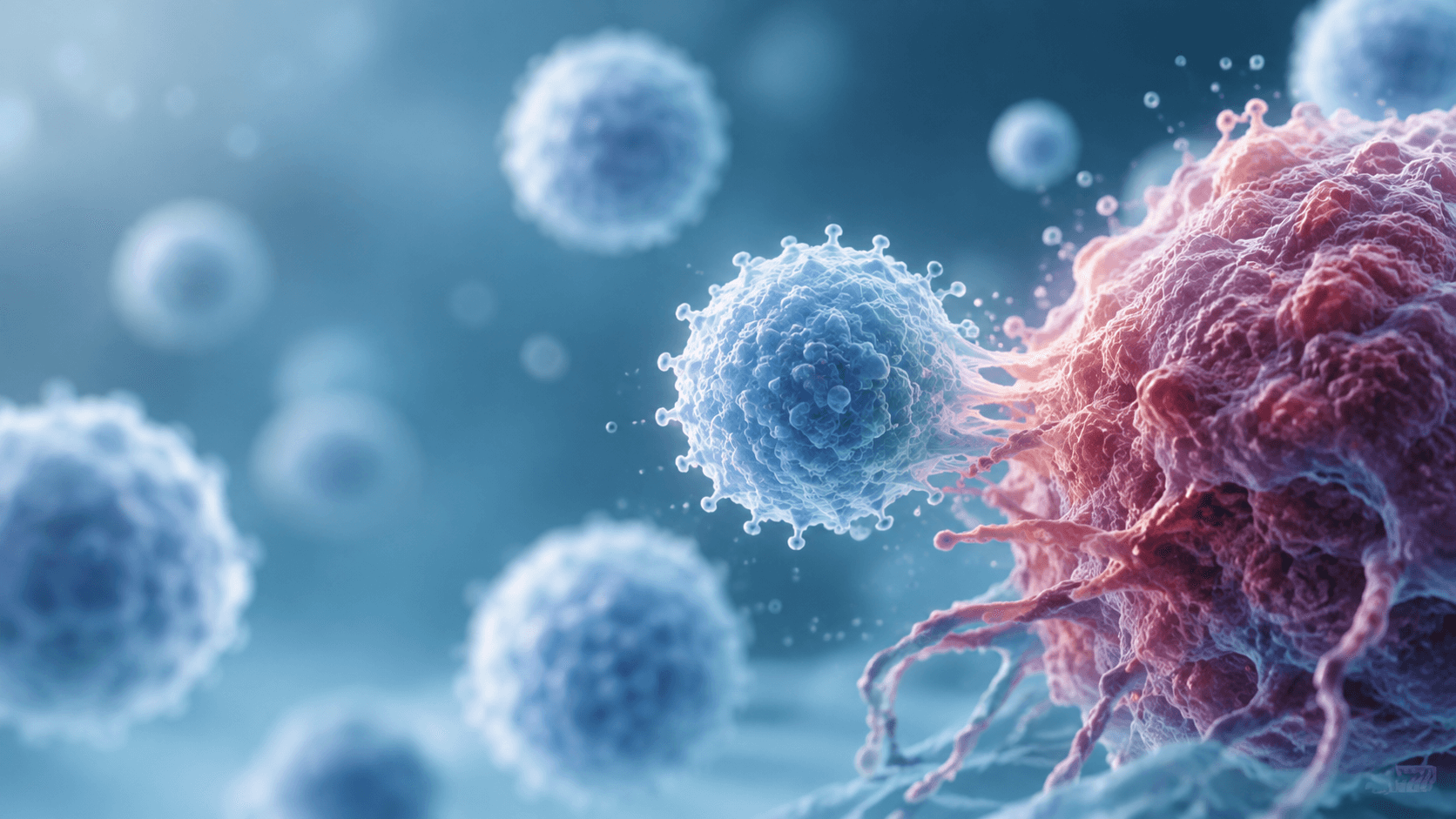
How Are NK Cells Being Investigated in Cancer Immunotherapy?
Natural Killer (NK) cells are lymphocytes that are part of the innate immune system and play a role in recognizing target cells. In cancer immunotherapy research, the ability of NK cells to recognize tumor cells and generate responses through cytotoxic mechanisms is being investigated.
The Role of NK Cells in Research
Due to their interactions with target cells and cytotoxic activity, NK cells are being evaluated in cellular immunotherapy studies. In these studies, cell source, activation and expansion methods, and patient selection are important variables.
Clinical Evidence and Safety
Findings obtained from laboratory studies and animal models do not guarantee that the same clinical outcomes will occur in humans. Therefore, clinical studies should separately evaluate safety, dosage, route of administration, patient selection, and efficacy endpoints.
When interpreting research findings on NK cells, early clinical data should be distinguished from established clinical efficacy. The biological activity of a cell in a laboratory setting does not, on its own, demonstrate treatment success.
Frequently Asked Questions
Why are NK cells being investigated in cancer immunotherapy?
They are being investigated because of their ability to recognize target cells and generate cytotoxic responses.
Do NK cells treat cancer?
Approaches involving NK cells are being investigated in clinical studies. Clinical efficacy should be evaluated in light of the relevant study results and scientific evidence.
Which criteria are important in NK cell research?
Cell source, activation and expansion methods, cell characterization, safety, and clinical research results are important.
This content is for informational purposes only; it does not provide a diagnosis, recommend treatment, or promise outcomes. Always consult a physician for an individualized assessment.