How Are Allogeneic NK Cells Being Studied in Cancer Immunotherapy?
How Are Allogeneic NK Cells Being Studied in Cancer Immunotherapy?
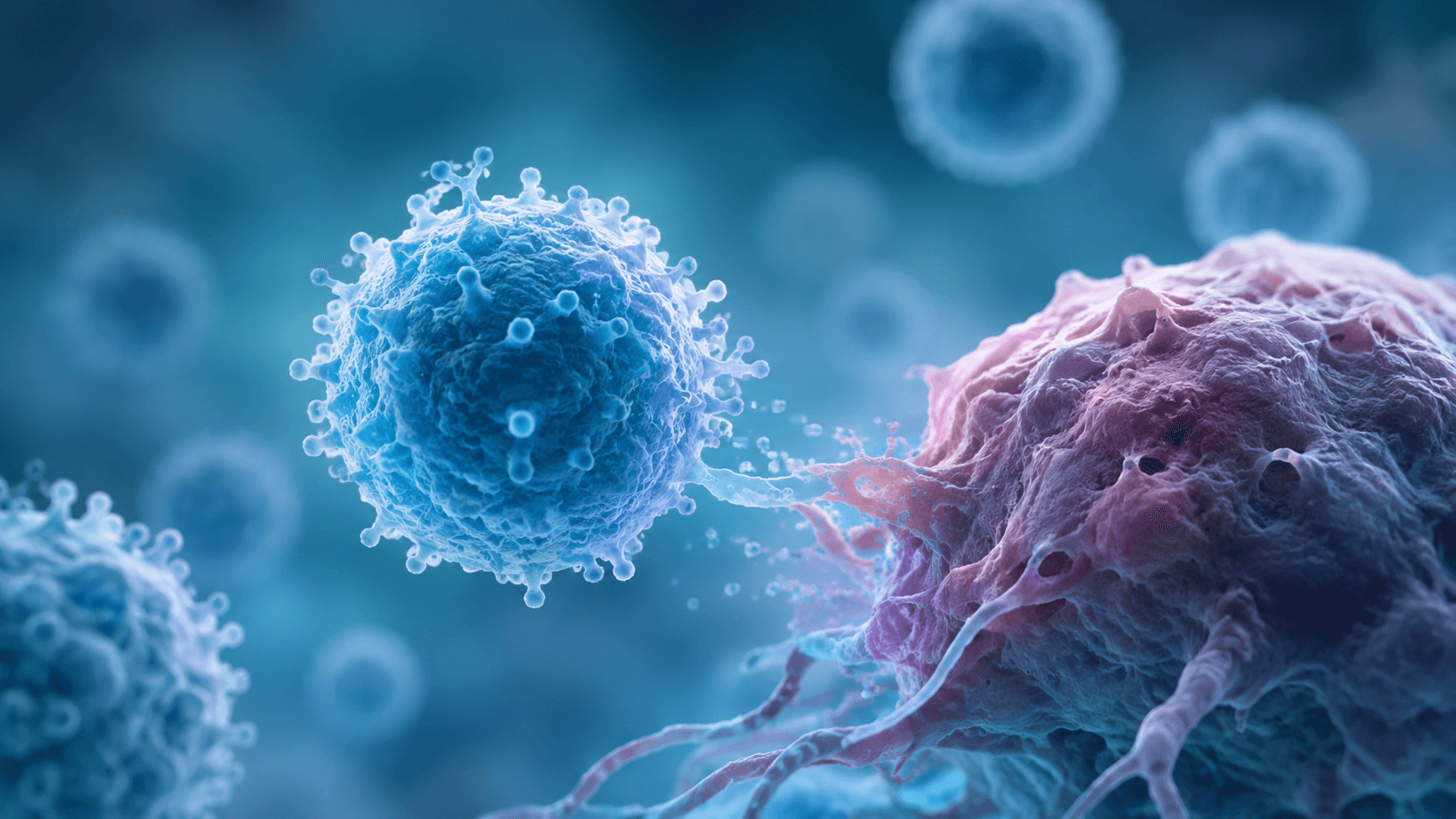
Allogeneic Natural Killer (NK) cells are immune cells obtained from another donor and investigated within the scope of cancer immunotherapy. NK cells' target cell recognition and cytotoxic (cell-killing) mechanisms play an important role in examining the immune response they may generate against cancer cells.
The Role of NK Cells in Cancer Research
NK cells are part of the innate immune system. They can generate an immune response by evaluating activating and inhibitory signals from target cells and affect certain cells through cytotoxic mechanisms.
Allogeneic NK cells are being investigated in terms of their cell source, immunological characteristics, and interactions with target cells because they are donor-derived.
What Is Evaluated in Clinical Research?
Research on allogeneic NK cells examines areas such as:
Cell source and characterization,
Activation and expansion methods,
Ability to recognize and kill target cells,
Safety and dose assessments,
Clinical efficacy and patient outcomes.
Findings obtained in laboratory settings do not, on their own, prove clinical efficacy. Safety and efficacy data must also be evaluated separately in human studies.
How Should Scientific Evidence Be Evaluated?
The potential of allogeneic NK cells in cancer immunotherapy is being investigated. However, results may vary depending on cell characteristics, the applied protocols, cancer type, and clinical study data. Therefore, research findings should be interpreted by considering the level of evidence and clinical outcomes.
This content is intended for informational purposes only; it does not provide a diagnosis, recommend treatment, or guarantee outcomes. Please consult a physician for an individualized assessment.