The Future of Fibroblast Research in Regenerative Dermatology
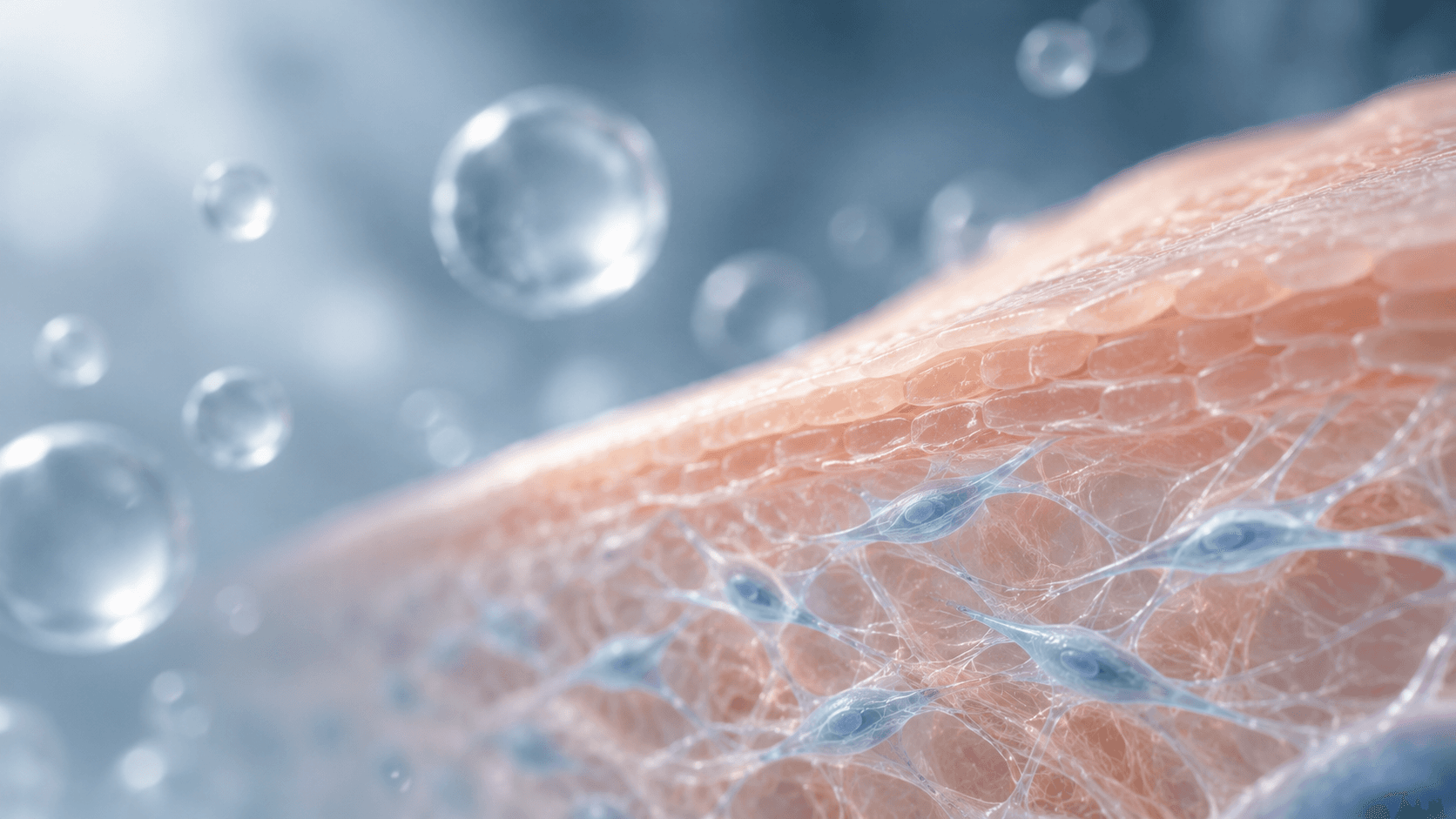
The Future of Fibroblast Research in Regenerative Dermatology
Fibroblasts play an important role in maintaining the structural integrity of connective tissue in the skin and regulating the extracellular matrix. In addition to producing matrix components such as collagen, they contribute to wound healing and tissue homeostasis.
New Approaches in Fibroblast Research
Current research shows that fibroblasts are not a uniform cell population; they comprise subgroups with different biological characteristics and functions. Understanding this cellular diversity contributes to more detailed investigations of processes such as skin aging, tissue repair, and fibrosis.
Importance for Regenerative Dermatology
The role of fibroblasts in the production and remodeling of the extracellular matrix is an important area of research in skin repair. However, cell culture and mechanistic studies alone do not prove that a specific fibroblast-based product is clinically effective in humans.
Scientific Evidence and Clinical Evaluation
The clinical potential of fibroblast-based approaches should be evaluated through the characteristics of the product, the application method, safety data, and clinical studies conducted in humans. Laboratory findings, animal studies, and clinical research represent different levels of evidence.
Looking Ahead
A better understanding of different fibroblast subgroups, their interactions with other cells, and their relationships with the extracellular matrix may contribute to the development of regenerative dermatology research. The scope of clinical applications in this field should be determined in light of new scientific evidence and regulatory evaluations.
This content is for informational purposes only; it does not provide a diagnosis, recommend treatment, or promise outcomes. Always consult a physician for an individualized assessment.