HLA and Immunological Assessment in Allogeneic NK Cells SEO Title: HLA and Immunologi
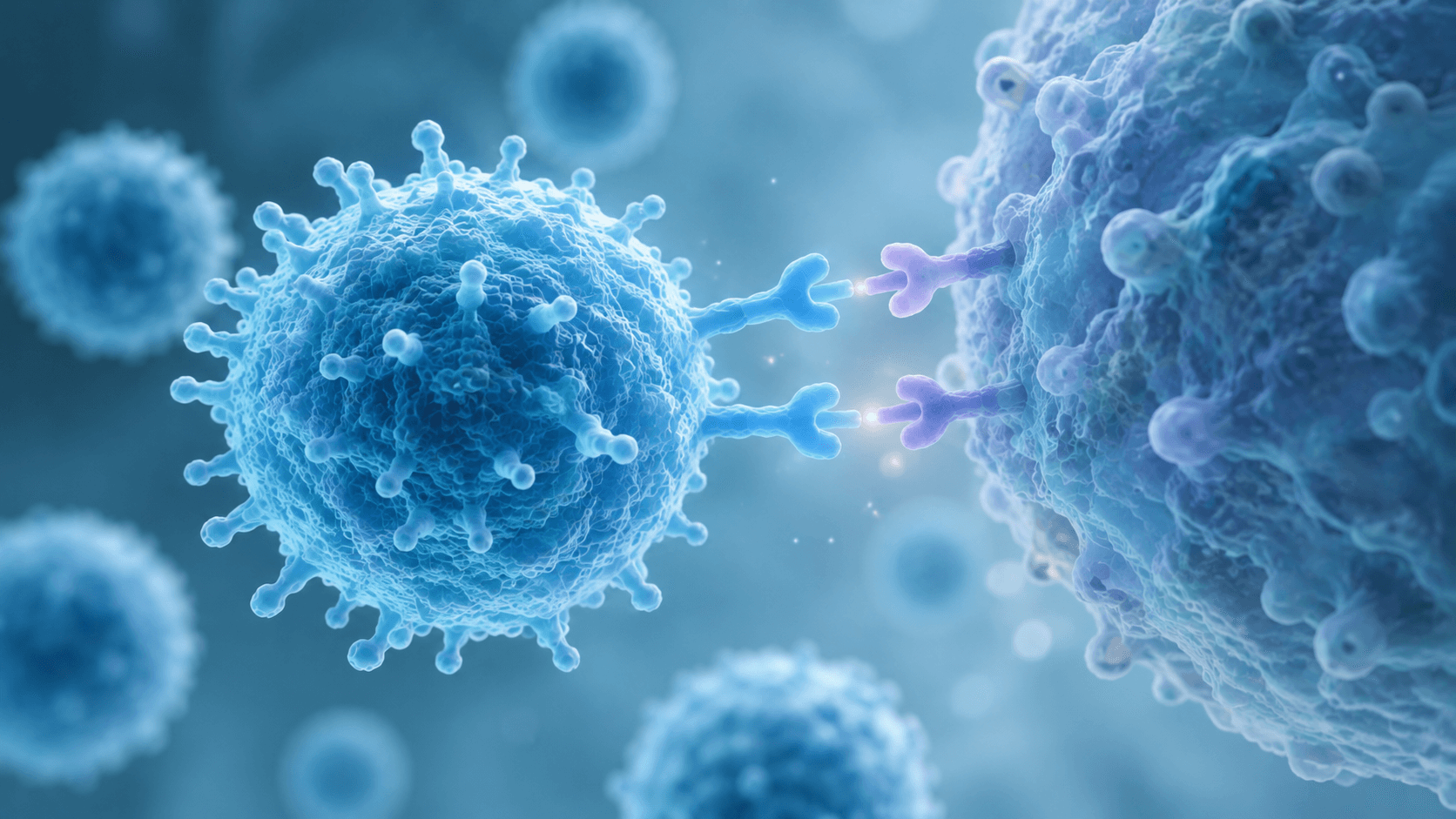
What Is HLA and How Is It Related to NK Cells?
HLA (Human Leukocyte Antigens) are proteins found on the surface of cells that help the immune system recognize cells. NK cells (Natural Killer cells) play a role in regulating the immune response by evaluating the signals transmitted through these molecules.
The interaction between HLA molecules and KIR receptors on the surface of NK cells is one of the important mechanisms affecting NK cell activity.
How Do KIR Receptors Affect NK Cells?
KIR (Killer-cell Immunoglobulin-like Receptors) are receptors found on the surface of NK cells. Some KIR receptors transmit inhibitory signals, thereby limiting NK cell activity.
These receptors can recognize specific HLA class I molecules. The interaction between HLA and KIR contributes to the regulation of how NK cells respond to target cells.
What Is the Missing-Self Mechanism?
Missing-self is a recognition mechanism that may occur when HLA class I molecules on the surface of target cells are reduced or lost.
Under normal conditions, certain HLA molecules transmit inhibitory signals to NK cells. A reduction or loss of this signal may contribute to increased NK cell activity, together with the effects of other activating signals.
HLA Assessment in Allogeneic NK Cells
Since allogeneic NK cells are obtained from another donor, the immunological characteristics of donor-derived cells are important. In this assessment, the characteristics of KIR receptors and the HLA molecules present on target cells can be examined together.
HLA-KIR interaction is important for understanding the mechanisms by which NK cells recognize target cells and for evaluating cellular immunotherapy research.
Importance in Clinical Research
The interaction between HLA and KIR is one of the factors evaluated in studies examining the biological characteristics of allogeneic NK cells. However, this interaction alone does not demonstrate the clinical efficacy or safety of the cells.
In scientific evaluations, cellular characteristics, production methods, functional tests, and clinical research results should be considered together.
Frequently Asked Questions
What is HLA?
HLA (Human Leukocyte Antigens) are proteins found on the cell surface that play a role in the recognition of cells by the immune system.
What do KIR receptors do?
KIR receptors are found on the surface of NK cells. They interact with HLA molecules and contribute to the regulation of NK cell activity.
What does the missing-self mechanism mean?
It refers to a reduction in the inhibitory signals transmitted to NK cells as a result of the reduction or loss of certain HLA class I molecules in target cells.
Does HLA compatibility determine NK cell activity?
HLA-KIR interaction is one of the factors affecting NK cell activity. However, the cellular response results from the combined evaluation of many activating and inhibitory signals.
This content is intended for informational purposes only; it does not provide a diagnosis, recommend treatment, or guarantee outcomes. Please consult a physician for an individualized assessment.